complete dental implants cost
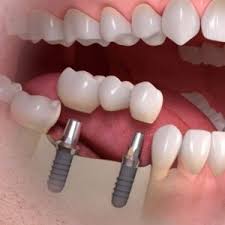
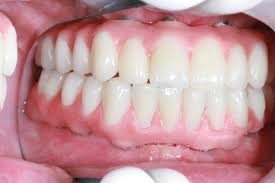
The cost of complete dental implants in Mehsana, Gujarat, India, can range from ₹2,50,000 to ₹6,00,000 or more, depending on the number of implants needed, the type of implant used, and any additional procedures required. A single tooth implant typically costs between ₹20,000 and ₹70,000, while full-mouth implants can range from ₹2,50,000 to ₹6,00,000.
Here’s a more detailed breakdown:
- Single tooth implant: ₹20,000 to ₹70,000
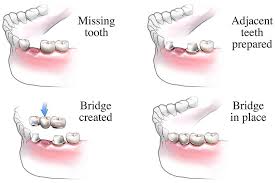
- Multiple tooth implants: ₹50,000 to ₹2,00,000, with the cost per implant decreasing as the number of implants increases.
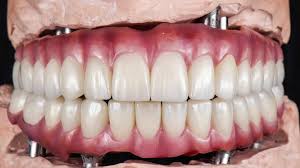
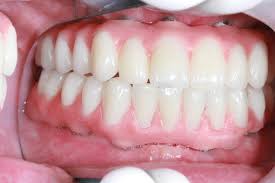
- Full mouth implants (All-on-4, All-on-5, etc.): ₹2,50,000 to ₹6,00,000 or more, depending on the specific technique and materials used.
Factors influencing cost:
- Number of implants: More implants will increase the overall cost.
- Type of implant: Different types of implants, like those from various manufacturers (e.g., Nobel Biocare), can affect the price.
- Additional procedures: Procedures like bone grafting or sinus lifts, which may be necessary for some patients, will add to the cost.
- Dentist’s experience and location: Specialized dentists and those in larger cities may charge more.
- Materials and techniques: The choice of materials and the specific technique used (e.g., All-on-4) can impact the price.
What is the best age for dental implants?
The best age for dental implants is typically considered to be after the completion of jawbone growth, which usually happens around 18 for girls and 16-18 for boys. There’s no upper limit to implant placement, as long as individuals have enough healthy bone and are otherwise in good health.
Elaboration:
-
Minimim Age:While there’s no strict upper limit, most dentists will wait until the jawbone is fully developed, which generally means around the age of 18. This is because jawbone growth can continue until the mid-20s, and early implant placement could interfere with further bone development.
-
Skeletal Maturity:The key factor is skeletal maturity, not just chronological age. If a younger individual has reached skeletal maturity and their jawbone is fully developed, they may be a suitable candidate for implants.
-
Upper Age Limit:There’s no upper age limit for dental implants. Individuals can be suitable candidates as long as they have enough bone density, good oral health, and no other medical conditions that would preclude surgery.
-
Bone Health:The most important factor is having sufficient bone to support the implant. If a person lacks sufficient bone, a bone graft may be needed to ensure the implant’s success.
What is the disadvantage of a tooth implant?
Some of the main disadvantages of dental implants include the risk of infection, potential damage to surrounding teeth and nerves, and possible failure of the implant to integrate with the jawbone
What is the best implant brand?
Top Dental Implant Brands
- Straumann. Renowned for its Swiss precision and cutting-edge technology, Straumann is a leader in the dental implant market.
- Nobel Biocare. Known for its extensive research and development, Nobel Biocare offers various implant options to cater to individual needs.
- Dentsply Sirona. …
- BioHorizons.
Is dental implant cost covered by insurance?
In general, dental implants are not typically covered by health insurance, especially standard plans. Many insurers consider them elective procedures, and they may exclude coverage for cosmetic dental work. However, some health insurance plans, particularly those with higher coverage limits or add-on dental benefits, may offer partial coverage for dental implants, especially if they are medically necessary.
Here’s a more detailed breakdown:
-
Standard Health Insurance:Most health insurance plans don’t cover dental implants. They often exclude dental treatments, including implants, as they are considered cosmetic procedures.
-
Medical Necessity:If tooth loss is due to a medical condition or accident, some medical insurance policies may partially cover implant costs, especially if deemed medically necessary.
-
Add-on Dental Coverage:Some health insurance plans offer add-on dental coverage, which may include some coverage for dental implants. You should check your specific plan’s details to see if this applies.
-
Waiting Periods and Cost Sharing:Even if your plan covers implants, you may have to wait a period (e.g., 6-12 months) before being eligible for coverage. There may also be cost-sharing requirements, such as deductibles or co-pays, and you might only be covered for a percentage of the total cost.
-
Coverage Limits:Some plans may have annual or lifetime maximums for dental coverage, which could limit how much they pay for implants.
-
Dental Insurance Plans:While standalone dental insurance plans are less common now, some health insurance plans offer dental coverage as a base benefit or add-on. These plans may cover dental implants, especially if they are medically necessary or if you have a specific dental insurance add-on.
-
“All-on-4” or “All-on-6” Implants:These full-mouth implant solutions may be more likely to have coverage if they are deemed medically necessary, as they can be a more cost-effective alternative to traditional dentures, says Bajaj Finserv.
To determine if your insurance covers dental implants, you should:
-
1. Review your policy details:Check the specific terms and conditions of your health insurance plan, including the dental benefits section.
-
2. Contact your insurance provider:Ask them directly about implant coverage, including any waiting periods, cost-sharing, or limitations.
-
3. Consult with a dentist:Discuss your implant needs and whether they are medically necessary, which could increase the likelihood of coverage.