full mouth dental implants
Full mouth dental implants offer a comprehensive solution for replacing all missing teeth in one or both jaws. This involves using multiple implants to support a full bridge or denture, providing a stable and natural-looking replacement for a complete set of teeth. This can be a permanent solution for those uncomfortable with removable dentures and offers improved chewing and speaking ability.

Here’s a more detailed breakdown:
-
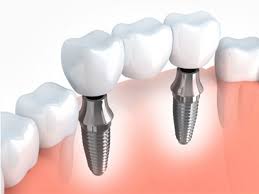
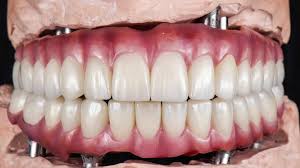
What it is:Full mouth implants replace all teeth in either the upper or lower jaw, or both, with dental implants and a prosthetic bridge or denture.
-
How it works:Implants, typically made of titanium, are surgically placed into the jawbone to act as anchors for the new teeth. These implants then support a full bridge or denture that spans the entire arch.
-
Benefits:
- Improved chewing and speaking ability: The stability provided by implants allows for a more natural and comfortable eating experience.
-
- Enhanced aesthetics: Implants can provide a natural-looking smile and help prevent bone loss in the jaw.
-
- Preventing bone loss: Implants stimulate the jawbone, helping to prevent the bone loss that can occur with missing teeth.
-
- Long-lasting: With proper oral hygiene, implants can last for many years or even a lifetime.
-
-
Types:There are different approaches to full mouth implants, such as “All on 4” or “All on 6,” where a smaller number of implants are used to support the entire arch.
-
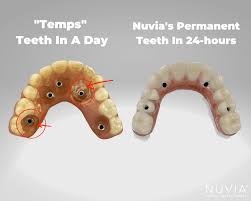
Procedure:The process typically involves multiple steps, including initial consultation, surgery to place the implants, healing time, and the placement of the final prosthetic bridge or denture.
-
Cost:The cost of full mouth implants can vary widely depending on factors like the number of implants needed, the type of prosthetics used, and the location of the dental practice.
-
Maintenance:Regular dental checkups and proper oral hygiene are crucial for the longevity of full mouth implants.
In essence, full mouth implants offer a transformative solution for those seeking a complete and functional smile restoration.
How long do full mouth dental implants last?
Full mouth dental implants, with proper care and maintenance, can last from 15 to 25 years, or even a lifetime. The longevity of the implant itself (the titanium post) can be a lifetime, but the crowns and other components might need replacement sooner, usually every 10-15 years.
Here’s a more detailed breakdown:
-
Implant Post (Titanium):These can last for 25 years or longer, often a lifetime, due to the strong bond they form with the jawbone.
-
Crowns:The prosthetic teeth (crowns) attached to the implants typically last 10 to 15 years before needing replacement due to wear and tear, according to Dent Ally.
-
Overall Longevity:The full mouth implant system can last from 10-30 years, with proper care and maintenance.
-
Factors Affecting Longevity:Oral hygiene, lifestyle choices (like smoking), and overall health significantly impact the lifespan of dental implants. Grinding or clenching teeth (bruxism) can also shorten their lifespan, according to Goodman Dental Center.
-
Maintaining Implants:Regular brushing, flossing, and dental check-ups are crucial for maintaining the health and longevity of implants.
note :- This is for informational purposes only. For medical advice or diagnosis, consult a professional. AI responses may include mistakes