molar implant cost
The cost of a molar implant in Nagalpur Part, Mehsana, Gujarat, can range from approximately ₹20,000 to ₹50,000 for a single tooth, with additional costs for abutments, crowns, and other procedures. This range can vary depending on the specific dental clinic, the experience of the dentist, and the materials used.
Factors Influencing Cost:
-
Clinic and Dentist’s Expertise:Higher-end clinics and dentists with extensive experience in implantology may charge more for their services.
-
Type of Implant:The materials used for the implant post, such as titanium, can impact the cost.
-
Additional Procedures:If bone grafting or extractions are needed before the implant placement, these procedures will add to the overall cost.
-
Crown Type:The material and quality of the crown placed on top of the implant can influence the price.
Breakdown of Costs:
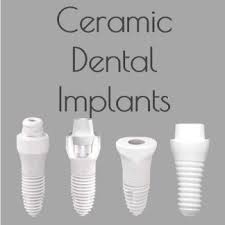
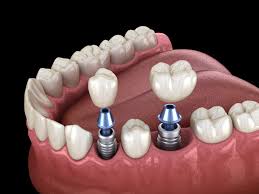
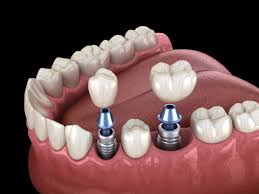
- Implant Post: This titanium post is surgically placed into the jawbone.
- Abutment: A connector that is placed on top of the implant post to support the crown.
- Crown: The artificial tooth that is placed on top of the abutment to restore the tooth’s appearance and function.
Note: It’s always best to get a consultation with a dental professional in Nagalpur Part to get a personalized cost estimate for a molar implant. They can assess your individual needs and discuss the various factors that will influence the overall cost of the treatment.
Which is better, implant or bridge?
Dental implants generally offer a more durable and long-lasting solution for tooth replacement compared to bridges. Implants can last a lifetime with proper care, while bridges typically need replacement every 5-15 years. Implants also stimulate bone growth, which bridges do not. However, implants are more expensive and require surgery.
Here’s a more detailed comparison:
Dental Implants:
-
Pros:
- Long-lasting: Can last a lifetime with proper care.
- Natural look and feel: Mimic natural teeth closely.
- Stimulate bone growth: Prevent bone loss and facial changes.
- Strong and stable: Integrate with the jawbone for a secure foundation.
- Long-lasting: Can last a lifetime with proper care.
-
Cons:
- More expensive: Higher initial cost compared to bridges.
- Surgical procedure: Requires insertion of a titanium post into the jawbone.
- Longer treatment time: Healing period is necessary before the final restoration.
- More expensive: Higher initial cost compared to bridges.
Dental Bridges:
-
Pros:
- Faster and less invasive: Require less time and are less complex than implants.
- More affordable: Initially cheaper than implants.
- Faster and less invasive: Require less time and are less complex than implants.
-
Cons:
- Shorter lifespan: Typically require replacement every 5-15 years.
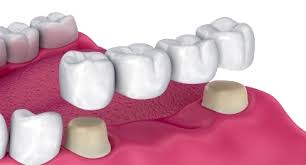
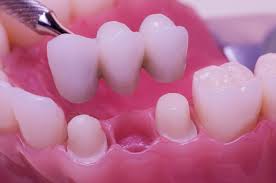
- Damage to surrounding teeth: Bridges require adjacent teeth to be ground down to support the bridge.
- Not ideal for all cases: May not be suitable if surrounding teeth are weak or decayed.
- May not stimulate bone growth: Can lead to bone loss over time.
- Shorter lifespan: Typically require replacement every 5-15 years.
Factors to consider when choosing:
- Cost: Implants are more expensive initially, but can be a long-term cost-effective option due to their durability.
- Oral health: If surrounding teeth are in good condition, a bridge may be a good option. If there is significant bone loss, implants may be preferable.
- Aesthetics: Implants generally offer a more natural-looking result.
- Procedure and recovery: Implants require surgery and a longer healing period.
- Maintenance: Implants generally require less maintenance than bridges.
In conclusion:
Dental implants are often considered the better option due to their longevity, natural appearance, and ability to stimulate bone growth. However, bridges can be a suitable alternative for those with limited budgets or who have concerns about the invasiveness of implant surgery. It’s crucial to discuss your individual needs and circumstances with a qualified dentist to determine the best tooth replacement option for you.