dental implant cost
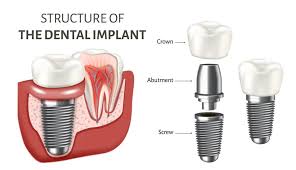
The cost of dental implants in India varies significantly depending on the number of implants needed, the complexity of the procedure, and the materials used. A single tooth implant typically costs between ₹20,000 and ₹50,000, while full-mouth implants can range from ₹2,50,000 to ₹6,00,000 or more.
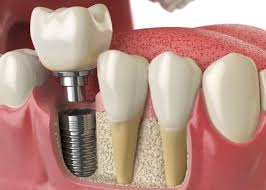
- Number of Implants: Multiple implants generally have a lower cost per unit compared to a single implant.
- Complexity: Procedures involving bone grafting or advanced techniques can increase the cost.
- Material Quality: Premium materials and high-end clinics may result in higher prices.
- Location: Costs can vary based on the city and the reputation of the dental clinic.
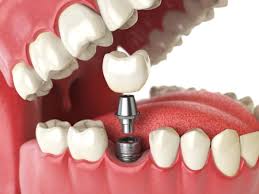
- Single Tooth Implant:Ranges from ₹20,000 to ₹50,000 in India.
- Multiple Teeth Implants:Costs can vary from ₹50,000 to ₹2,00,000.
- Full Mouth Implants:Can range from ₹2,50,000 to ₹6,00,000 or more.
-
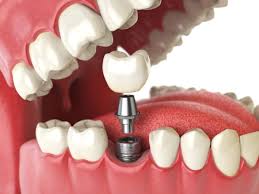
Number of Implants
-
Minimum for Full-Arch Support:
Studies suggest that a minimum of four appropriately distributed implants are needed to support a one-piece full-arch fixed prosthesis.
-
Strategic Placement:
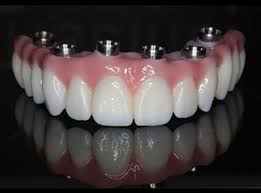
Implants are placed at strategic points along the arch, and a fixed appliance is attached to the implants to mimic the look, feel, and function of an entire arch of teeth.
-
“All-on-Four” Concept:
The “All-on-Four” concept, where only four implants are inserted between the mental foramina, offers a less invasive and more cost-effective option for supporting a full-arch fixed prosthesis in the mandible.
-
Higher Number for Stability:
While four implants can be sufficient, some cases may require six to eight implants for increased support and stability, particularly in the mandible.
-
Not Always Needed:It’s important to note that it’s not always necessary to have one implant for every missing tooth. The number of implants needed can vary depending on the individual’s jaw bone density, the extent of bone loss, and other factors.
2. Material Quality
-
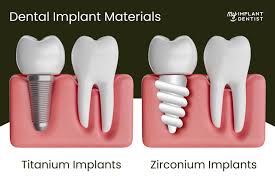
Dental implant material quality is crucial for the long-term success of tooth replacement. Most implants are made from titanium or titanium alloys, known for their strength, durability, and biocompatibility with bone. Zirconia, a ceramic material, is also used and offers an alternative for patients with metal allergies.
Implants Material Quality Key Material Considerations:-
Titanium and Titanium Alloys:
These are the most common materials, offering high strength, durability, and the ability to osseointegrate (fuse with the bone).
-
Zirconia:
A ceramic alternative to titanium, zirconia is biocompatible, aesthetically pleasing, and can be used when metal allergies are a concern.
-
Other Metals:
While less common, other metals like stainless steel, gold, and cobalt-chromium can be used, but they generally have a lower success rate than titanium.
-
Ceramics:
Beyond zirconia, other ceramics like carbon silicon are sometimes used, offering durability but may have some brittle properties.
-
Polymers:
Polymers like polyetheretherketone (PEEK) are sometimes used, offering flexibility and customization but may not be as durable as titanium or zirconia.
Factors Affecting Material Quality:-
Tensile and Compressive Strength:
The ability of the material to withstand forces without breaking or fracturing is crucial.
-
Biocompatibility:
The material’s ability to integrate with the body without causing an adverse reaction or immune response is essential.
-
Osseointegration:
For implants to be successful, they need to fuse with the jawbone, and titanium and its alloys are well-suited for this.
-
Corrosion Resistance:
The material’s resistance to corrosion in the oral environment is important for long-term durability.
-
Durability:
The material’s ability to withstand the forces of chewing and daily wear and tear is a key factor in longevity.
-
Aesthetics:
The material’s appearance and its ability to blend with surrounding teeth are important for aesthetic outcomes.
-
Cost:The cost of the material and the overall procedure can be a factor in material selection.
-