cost of one dental implant
- Type of Implant:Different implant materials and brands can impact the price.
- Complexity of the Case:More complex cases, like those requiring bone grafting or sinus lifts, can increase costs.
- Dental Clinic:Costs can vary between clinics, especially in larger cities.
- Additional Procedures:Procedures like bone grafting or sinus lifts can add to the overall cost.
- Materials Used:Higher-quality materials and custom-made components can be more expensive.
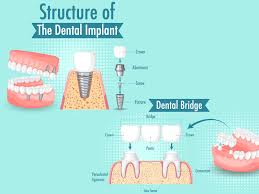
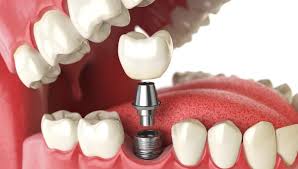
Once placed, it becomes a permanent part of your smile and doesn’t rely on other teeth for support. Unlike dental bridges, which require grinding down adjacent teeth for a better fit, a single-tooth implant stands on its own. This protects your surrounding teeth and gives you better long-term stability
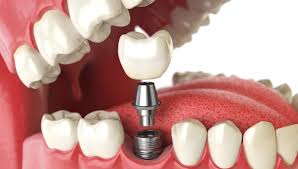
If you are missing a single tooth, one dental implant and a crown can replace it. A dental implant replaces both the lost natural tooth and its root
- Infection at the implant site.
- Injury or damage to surrounding structures, such as other teeth or blood vessels.
- Nerve damage, which can cause pain, numbness or tingling in your natural teeth, gums, lips or chin.
- Sinus problems, if dental implants placed in the upper jaw poke into one of your sinus cavities.
Research indicates that single-tooth implants have a success rate of between 95% and 98% over a ten-year period. This impressive success rate is mainly due to using biocompatible materials such as titanium, which enables the implants to fuse with your jawbone through a process known as osseointegration
Yes, dental implant restorations can look and feel just like natural teeth. With their custom design and stable integration into the jawbone, they offer both aesthetic appeal and full functionality