4 in one teeth implants
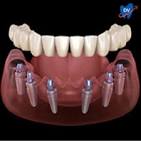
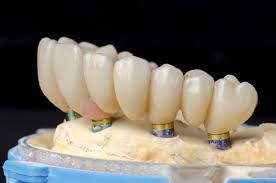
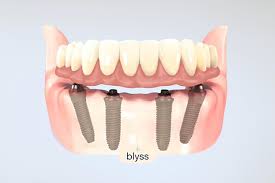
“All-on-4” is a dental implant technique where a full arch of replacement teeth is supported by only four strategically placed implants. This approach differs from traditional implants which often require one implant per missing tooth. It offers a stable and secure foundation for a fixed denture or bridge, providing a permanent solution for missing teeth.
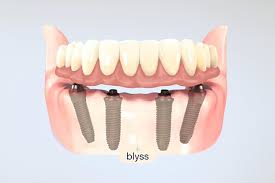
Here’s a more detailed explanation:
Key aspects of the All-on-4 technique:
-
Strategic Placement:The four implants are strategically placed in the upper or lower jaw, with two positioned vertically in the front and the other two angled at the back.
-
Reduced Implants:This method significantly reduces the number of implants needed compared to traditional implant-supported dentures.
-
Bone Density:It can be a good option for individuals with lower bone density, as the angled placement maximizes the use of available bone and reduces the need for bone grafting.
-
Stability and Support:The implants provide a stable and secure foundation for a fixed prosthesis, eliminating the need for adhesives or removable dentures.
-
Single-Day Procedure:All-on-4 procedures can often be completed in a single day, allowing patients to walk out with their new smile.
-
Cost-Effective:The use of fewer implants can make All-on-4 a more cost-effective option than traditional implant-supported dentures.
Benefits of All-on-4:
- Permanent Solution: All-on-4 provides a permanent and secure solution for missing teeth, offering a more comfortable and natural chewing experience.
- Reduced Treatment Time: The procedure can often be completed in a single day.
- Improved Chewing and Speech: The fixed prosthesis restores the ability to chew and speak naturally.
- Enhanced Aesthetics: All-on-4 can restore a natural-looking smile and improve facial contours.
- Increased Confidence: The permanent and secure solution can boost a person’s self-esteem and confidence.
Who is a good candidate for All-on-4?
- Individuals who have lost most or all of their teeth.
- Patients with lower bone density.
- Those who are unhappy with removable dentures or are seeking a more secure and comfortable solution.
- Individuals who prefer a fast and efficient treatment option.
Important Considerations:
-
Bone Density:While All-on-4 can be suitable for patients with lower bone density, some cases may still require bone grafting.
-
Oral Hygiene:Maintaining good oral hygiene is crucial for the long-term success of All-on-4 implants.
-
Follow-up Care:Regular follow-up appointments with a dentist are necessary to monitor the implants and ensure proper maintenance.
-
Cost:The cost of All-on-4 can vary depending on the location, the dental clinic, and the complexity of the case.
What are the long term side effects of dental implants?
Long-term side effects of dental implants include peri-implantitis (inflammation and infection around the implant), nerve damage, and potential implant failure. Nerve damage can cause numbness or tingling, while implant failure can result from bone loss or other issues. Peri-implantitis, a type of gum disease, can lead to bleeding and swelling around the implant, and in severe cases, bone loss supporting the implant.
Detailed Explanation of Long-Term Side Effects:
-
Peri-implantitis:This is a common long-term complication where inflammation and infection develop around the implant, similar to periodontitis around natural teeth. Symptoms include redness, swelling, and bleeding around the implant. It can lead to bone loss and, eventually, implant failure if left untreated.
-
Nerve Damage:If an implant is placed too close to a nerve, it can cause nerve damage, leading to numbness, tingling, or pain in the lips, chin, or tongue. While some nerve damage may heal, it can also be permanent.
-
Implant Failure:Implant failure can occur due to various reasons, including bone loss around the implant, poor osseointegration (the process where the implant fuses with bone), or infection. This can result in the implant loosening or being rejected by the body.
-
Other Potential Long-Term Issues:
- Sinus Problems: Implant placement in the upper jaw can sometimes extend into the sinus cavity, causing discomfort or infection.
- Metal Sensitivity: Rarely, individuals may be sensitive to the metal used in implants, leading to body rejection.
- Black Triangles: Bone loss between implants and natural teeth can create aesthetically undesirable black triangles and make oral hygiene more challenging.
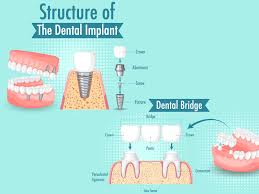
- Abutment Screw Loosening: The abutment screw, which connects the crown to the implant, can loosen over time, causing the tooth to feel loose or twist.
- Sinus Problems: Implant placement in the upper jaw can sometimes extend into the sinus cavity, causing discomfort or infection.
Factors Contributing to Long-Term Issues:
-
Poor Oral Hygiene:Improper cleaning around the implant can increase the risk of peri-implantitis and other infections.
-
Smoking:Smoking can negatively impact bone healing and increase the risk of implant failure.
-
Systemic Health Issues:Conditions like uncontrolled diabetes can affect bone density and healing, making implants more susceptible to failure.
-
Overly Aggressive Chewing:Excessive force on the implant can contribute to bone loss and implant failure.